Hedge Schools and Knowledge Exchange
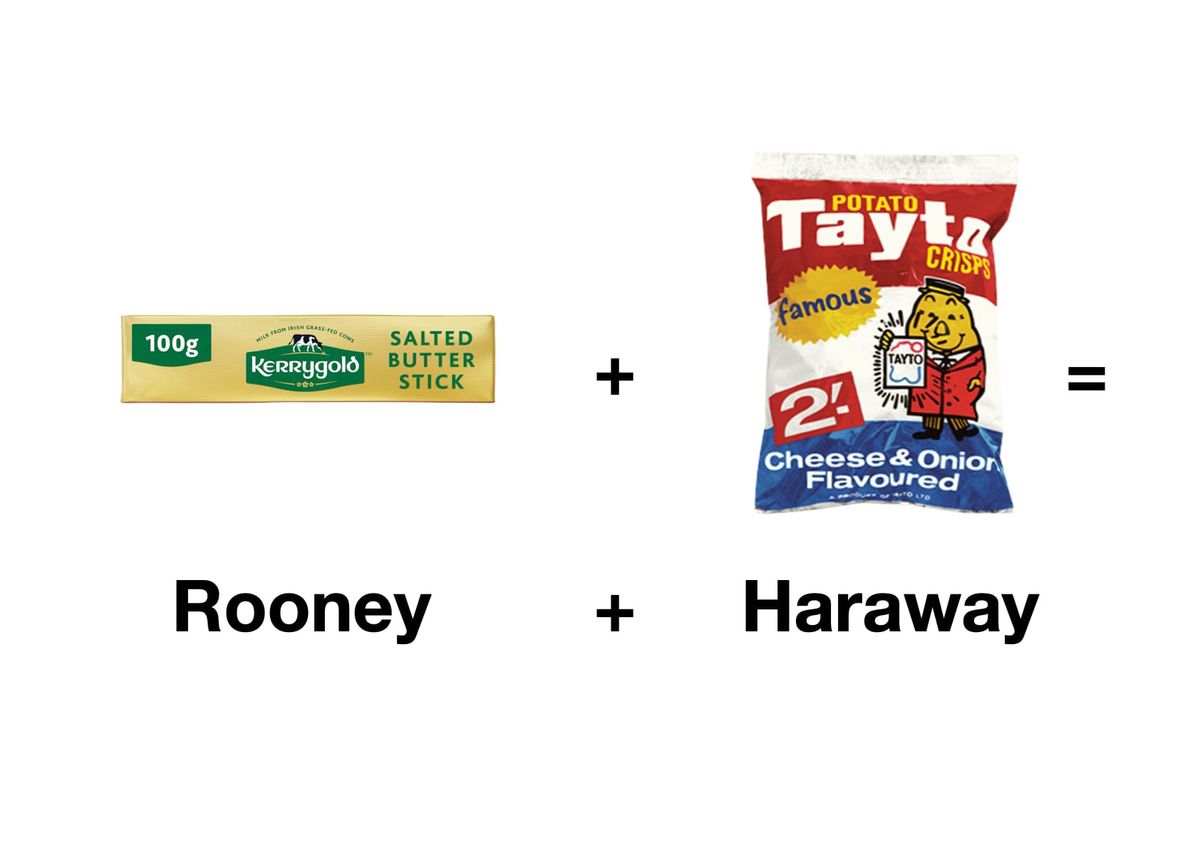
‘They were often called “hedge schools” or “pay schools”, as the pupils had to pay for their lessons there. The fees paid were the only income the master had. As an example of the fees required, in a school near Bunclody, spelling, reading and writing, each cost the pupil one shilling and eight pence per quarter (approximately 8 ½p modern money), and arithmetic two shillings (10p); while in a more expensive school in Clonegal, spelling was 2/6 (12 ½p), reading 3/3 (16 ¼ p), writing 4/- (20p), and arithmetic 5/-(25 p) per quarter. Very often the parents were not able to pay in cash, so they paid in butter or potatoes or other commodities they could produce.’
‘Nineteenth Century Hedge Schools or “Pay Schools.”’(1988) The Past: The Organ of the Uí Cinsealaigh Historical Society, (16), 28–28
Because Hedge Schools operated under the radar, outside the official education system, learning had to be coded. In the example above, a student asking for a Crisp Sandwich was enrolling in Professor Saoirse McCarthy's course that read Sally Rooney's Normal People through the lens of Donna Haraway's Staying with the Trouble.